
Stop preparing for audits. Start being ready for them
Every audit starts the same way. A request comes in, teams scramble, emails start flying, and data is pulled from multiple systems.


Every audit starts the same way. A request comes in, teams scramble, emails start flying, and data is pulled from multiple systems.

In our experience working with leading institutions across BFSI, manufacturing, and other regulated sectors, one pattern is increasingly clear: the audit function, as traditionally designed, is approaching structural obsolescence.

Internal audit is not broken. It is no longer built for the world it now operates in.

The previous post in this series made an argument that resonates with most compliance and operations leaders once it's named directly: KYC friction isn't a regulatory problem. It's a workflow problem. The requirement itself isn't the bottleneck.

A new customer completes sign-up. Documents are submitted. And then nothing visible happens for a while.

Three specific, predictable failure points that most access governance frameworks were never built to catch, and why they tend to show up together.

Here’s an uncomfortable truth that most security and compliance teams already know but rarely say directly: they don’t have a complete picture of who has access to what inside their own organization.
There is a skill that every experienced AML analyst develops quietly over time. Call it pattern intuition.

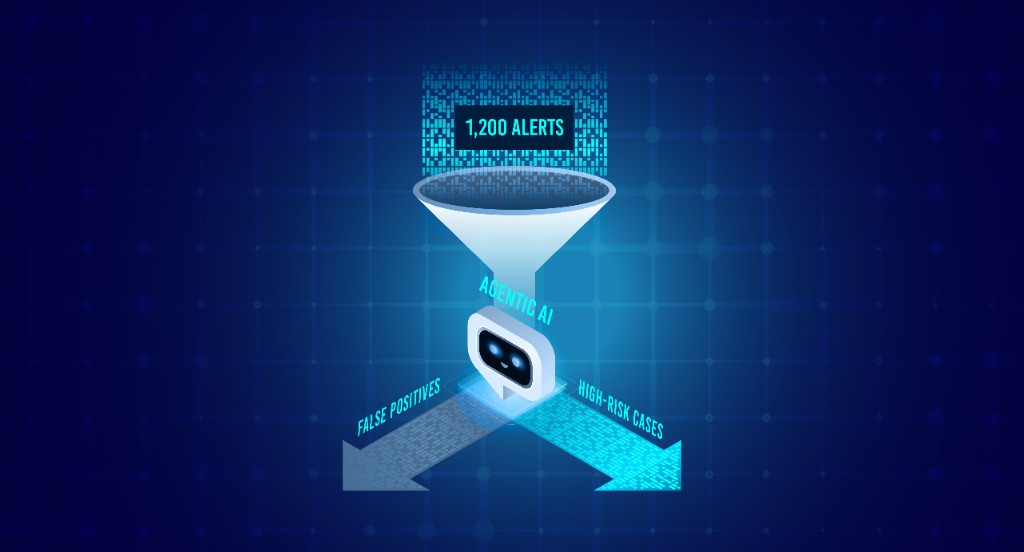
There’s a number that sits quietly inside most compliance and fraud operations teams, rarely discussed in board meetings but felt every single day by the analysts living it.

In a market flooded with AI tooling, the question isn’t whether a platform uses RAG, agents, or model APIs; almost everyone does. The real question is whether those capabilities are unified, governed, and built for enterprise trust from day one.

Over the past year, my conversations with CIOs, CISOs, Chief Risk Officers, and Heads of Audit have changed in a meaningful way. The discussion is no longer about whether organizations should adopt AI. That decision has already been made.
Connect a data source, point an agent at a workflow, and watch the first governed outcomes arrive —
on your infrastructure, with your people in command.